

Publish Your Research with C5K
A Global Academic Publishing Platform
Join thousands of researchers worldwide. Submit, review, and publish peer-reviewed articles in information technology, business, health sciences, and more.

Fast & Rigorous Peer Review
Quality research, delivered quickly
Our expert reviewers ensure your work meets the highest academic standards — with average review times under 4 weeks so your discoveries reach the world sooner.

Global Reach & Impact
Connect with researchers across 50+ countries
Your research deserves a global audience. C5K distributes published work to institutional libraries, databases, and indexing services worldwide.

Open Access for Everyone
Breaking down barriers to knowledge
C5K is committed to open science. All published research is freely accessible to scholars, students, and practitioners around the globe — no paywall, no barriers.

Join the C5K Research Community
Collaborate, Review & Advance Science
Become part of a growing network of academics and researchers. Apply to be a reviewer, submit your dissertations, or explore our conference opportunities.
Latest Announcements
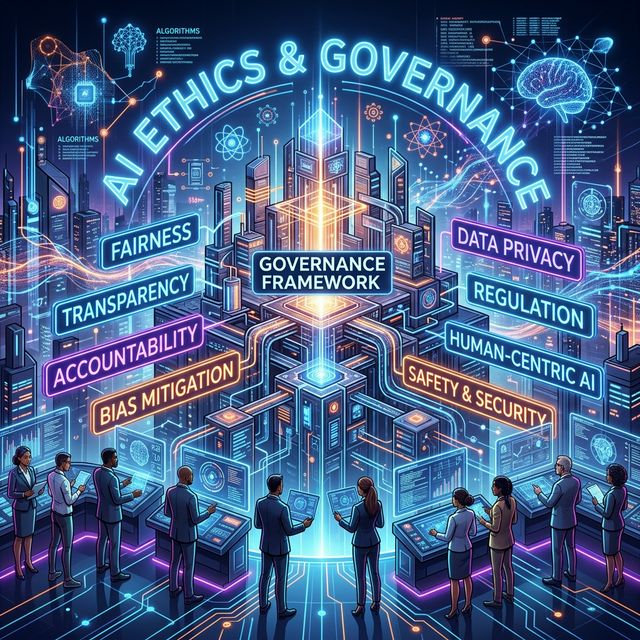
New Special Issue: AI Ethics and Governance
We are pleased to announce a special issue on AI Ethics and Governance in the Journal of Advanced Machine Learning and Artificial Intelligence (JAMLAI). Submission deadline: March 31, 2024.
Read More →
ICAIML 2024 Conference Registration Now Open
Early bird registration is now available for the International Conference on Artificial Intelligence and Machine Learning (ICAIML 2024) taking place June 15-17 in San Francisco.
Read More →
C5K Research Scholarship Program Announced
C5K is proud to launch a new scholarship program supporting doctoral researchers in information technology and business management. Applications open February 1, 2024.
Read More →
Updated Author Guidelines for 2024
We have updated our author guidelines to include new formatting requirements and best practices. All authors should review the updated guidelines before submission.
Read More →
New Editorial Board Members Appointed
C5K welcomes five distinguished researchers to our editorial boards across multiple journals, strengthening our commitment to academic excellence.
Read More →
Call for Papers: Business Analytics Special Issue
The Journal of Business Value and Data Analytics is seeking submissions for a special issue on advanced business analytics applications. Deadline: April 15, 2024.
Read More →Academic Journals

Journal of Sustainable Agricultural Economics

Advances in Machine Learning, IoT and Data Security

Open Journal of Business Entrepreneurship and Marketing

Journal of Information Technology Management and Business Horizons

Journal of Business Venturing, AI and Data Analytics

Advances in Engineering and Science Informatics

Progress on Multidisciplinary Scientific Research and Innovation

Periodic Reviews on Artificial Intelligence in Health Informatics
Latest Articles
Technology-Assisted Parent Training Programs for Autism Management
Rayhan Khan
The developmental condition known as autism spectrum disorder (ASD) is defined by recurring behavioural patterns and challenges with social communication. Taking care of a kid with impairments presents parents with a lot of emotional and practical obstacles that might affect their family's arrangements. This article examines the integration and efficacy of technology-based parenting interventions for addressing ASD, focusing on how these programs are developed, which technologies are used, and how they affect parent-child relations and success rates. The phenomenology design, a qualitative research approach, was used to analyse the experiences of primary school students with disabilities in virtual education activities after the global pandemic 2020. The design allowed for a comprehensive understanding of students' perspectives and solutions. Face-to-face training techniques are effective but cannot reach all families due to transport, money, and time issues. Distance-based training and technology-assisted training solutions provide a solution by disseminating high-quality, evidence-based training to a broader audience. The results show that ADEPT and the PLAY Project are examples of potential supports involving the application of digital tools to provide parents with essential training content to create proper home conditions for further child development. Evaluating the success of these initiatives is crucial to assessing their impact and potentially modifying them. Scientific methods like randomised controlled trials or longitudinal studies provide insights into the efficacy of technology-supported training. At the same time, measurable quantities like parent-child interaction or behavioural changes prove its effectiveness.
Read More →Ethical Considerations in AI and Information Technology Privacy and Bias
Md Alamgir Miah
Concerns about prejudice and privacy have become crucial ethical issues as information technology (IT) and artificial intelligence (AI) are increasingly integrated into society. Large volumes of demographic data are processed by AI systems, which frequently pose privacy problems and reinforce prejudices, especially those related to age and gender. This paper explores these ethical issues, concentrating on the effects of biased AI-driven decision-making on facial recognition, healthcare, and employment. This study uses a mixed-methods approach, combining quantitative data from 60 respondents with qualitative literature analysis. The results show a strong relationship between ethical concerns, privacy issues, and biased data gathering. Disenfranchised groups continue to be disadvantaged by AI models based on historically skewed datasets, which exacerbate discrimination and restrict justice in digital decision-making. Even though laws like the CCPA and GDPR offer some control, they are not enough to handle the growing ethical issues surrounding AI. Reducing discrimination and guaranteeing accountability requires using bias detection techniques, fairness-aware machine learning, and transparent AI governance. Giving ethical issues a top priority as AI develops will be essential to creating technology that upholds individual liberties and promotes inclusivity. To guarantee a fair and just technological environment for all users, future developments in AI must concentrate on creating equitable systems that protect privacy.
Read More →Revolutionizing Drug Discovery AI-Driven Approaches to Personalized Medicine and Predictive Therapeutics
Afia Fairooz Tasnim
By discovering and creating novel drugs to treat a range of illnesses, the discipline of drug discovery and development plays a vital role in healthcare. Conventional approaches to drug development have been costly, time-consuming, and frequently produce drugs that don't work for every patient. Precision medicine, on the other hand, seeks to customize medical care to each patient's unique needs while accounting for lifestyle, environment, and genetics. Artificial Intelligence (AI) has revolutionized drug discovery and development in recent years when it has become a potent instrument. Machine learning and deep learning are two examples of AI technologies that could drastically speed up medication discovery, lower prices, and increase treatment efficacy. Researchers can find possible therapeutic targets, create new compounds, and forecast patient response to treatment with the use of artificial intelligence (AI), which analyzes vast datasets and find patterns. This research investigates how AI can be used to find and produce drugs for precision medicine. With adding that, it gives a summary of the conventional drug discovery procedure, emphasizing its drawbacks. Later this research describes how AI technologies are being applied to solve these obstacles, with particular attention to how they are being employed in clinical trials, target identification and validation, and computational drug design. The research also looks at how AI may help to provide personalized medicine, in which each patient receives a customized course of therapy. In summary, this study attempts to present a thorough analysis of the state of AI-driven drug development today and how it can revolutionize precision medicine. Understanding the developments and difficulties in this field helps us to better grasp how AI may transform healthcare in the future and enhance patient outcomes.
Read More →Enhancing Digital Marketing Strategies in the Food Delivery Business through AI-Driven Ensemble Machine Learning Techniques
The digital marketing for food delivery business is the focus of this study, which investigates the use of ensemble machine learning (ML) approaches. The study's overarching goal is to pave the way for artificial intelligence (AI)-based recommendations by analyzing consumer 25 Oct 2025 (Published Online) data with the hope of discovering consumer preferences and predicting behavior. In order to Digital marketing, Food delivery trees, naïve Bayes, and k-nearest neighbor algorithms. Both the decision tree and nearest business, Machine learning, Artificial neighbor algorithms were able to obtain perfect predictions with zero error and 100% accuracy, intelligence, Accuracy. as seen in the accuracy matrix charts. On the other hand, the naïve Bayes method was able to accurately identify labels in all classes with a minimal error rate of 0.028 and a high accuracy of 97.175%. With a success rate of over 90%, the majority vote method allows models to be integrated using less than 50% of the randomized data, which minimizes customer dissatisfaction. When taken as a whole, these ML algorithms greatly improve the efficiency and efficacy of food delivery business digital marketing campaigns by cutting down on wasted time
Read More →Fraud Transaction Detection using Machine Learning on Financial Datasets
Financial fraud poses a significant threat to the digital economy, with credit card fraud being a prevalent challenge. This study evaluates the performance of Logistic Regression (LR) and Extreme Gradient Boosting (XG Boost) models in detecting fraudulent transactions using 25 Oct 2025 (Published Online) financial datasets. The study uses practical data from 284,807 transactions, but only 492 are Fraud Detection, Machine Learning, Technique (SMOTE). Our findings show that XG Boost with Random Search selection is better XGBoost, Logistic Regression, and than Logistic Regression in all aspects. XG Boost yielded an accuracy of 99.96%, precision of Imbalanced Dataset (SMOTE) 95.11%, recall of 79.61%, and F1 score of 86.61%, while for Logistic Regression, the corresponding percentages were 99.92%, 88.1%, 60.5%, and 71.7%. The AUC statistic of 0.98 for XG Boost against 0.97 for LR classified the model as having better discriminant power. The results show that XG Boost is more suitable for real-time fraud detection. However, computational limitations and explainability issues should be considered. For future work, it is suggested that semi-supervised and supervised learning approaches be investigated and work with larger datasets to improve fraud detection in financial systems.
Read More →Forecasting Financial Crashes with Advanced Time-Series Methods: A Predictive Framework
The research involves examining how financial markets, particularly the NASDAQ and S&P 500 indices, react when under stress, as well as applying advanced time series techniques in an attempt to predict crashes. Accurate prediction of crashes is important due to the tremendous impact financial market collapses, including the 2008 and COVID-19 epidemics, have on the worldwide economy. To model non-linear market dynamics, the study combines dynamic GARCH extensions and wavelet-based time series decomposition with ARIMA and GARCH models to forecast market volatility. The sample period ranged from January 2021 to August 2024, with total observations of 787 and 921 for the S&P500 and NASDAQ, respectively. The selection of the ARIMA and GARCH models was confirmed by the ADF and PP tests to determine whether the time series is stationary. The GARCH model with the GARCH effect of 0.912741 has most certainly accommodated the volatility clustering phenomenon, due to which an episode of high (low) volatility was followed by another episode of the same kind and successive spikes in the volatility, especially in the case of NASDAQ. The volatility persistence of the S&P 500 was lower (0.6785330 GARCH effect). For a relatively small level autoregressive table, the forecasts demonstrate that the variance of S&P 500 substantially increases in high volatility periods for most by up to 0.006. The NASDAQ was somewhat more persistent, as indicated by a variance of 0.00024. These findings illustrate how efficiently the proposed forecasting model is able to predict market crashes and offer valuable information for investors and policymakers.
Read More →Artificial Intelligence Hybrid AI-Econometric Models for Forecasting Volatile US Equities: A Comparative Study of Apple and Microsoft
Financial forecasting in the US stock market has traditionally relied on econometric models such as ARIMA, SARIMA, and GARCH, which offer interpretability and robust performance in stable environments. However, the increasing complexity and volatility of modern markets— 25 Oct 2025 (Published Online) driven by nonlinear dynamics and high-frequency trading—have exposed the limitations of these AI-augmented forecasting, Prophet traditional econometric models and AI-augmented methods, with a special focus on the Prophet model, ARIMA-GARCH hybrid, stock model, in forecasting stock prices and volatility for major US firms, specifically Apple (AAPL) price prediction, volatility clustering, and Microsoft (MSFT). The study seeks to determine whether hybrid AI-econometric US equities. frameworks provide superior accuracy and risk quantification compared to standalone models. Historical daily price data (January–June 2024) from Yahoo Finance underwent preprocessing: log-return transformation, stationarity enforcement (ADF/PP tests), outlier winsorization, and volatility clustering validation. Models were trained on 80% of the data (105 observations) and tested on 20% (26 observations). Performance was measured via RMSE, MAE, AIC/BIC, and uncertainty interval accuracy. Prophet outperformed traditional models, reducing Apple’s RMSE by 6% (7.02 vs. 7.46) and MAE by 8.9% (4.70 vs. 5.16) compared to AI-augmented ARIMA. For Microsoft, Prophet achieved 11% lower RMSE (9.46 vs. 10.64) and 14.4% better MAE (5.89 vs. 6.88). AI-augmented GARCH improved volatility forecasts by 19% for Apple, capturing asymmetric responses missed by classical GARCH. Hybrid models (e.g., Prophet-GARCH) demonstrated superior trend reversal detection but increased operational complexity. Integrating AI with econometric models significantly enhances forecasting accuracy and risk quantification, particularly through Prophet’s uncertainty intervals and adaptability to structural breaks. While computational demands and small-sample biases remain challenges, these hybrids offer actionable insights for portfolio optimization and crisis preparedness in volatile markets.
Read More →Developing Data Analytics Models for Real-Time Fraud Detection in U.S. Financial and Tax Systems
Fraudulent activities in financial transactions continue to pose a significant challenge for the U.S. financial sector, driving the need for advanced detection mechanisms. Traditional fraud detection methods, which are often reactive and struggle to process large volumes of data in real-time, are increasingly being supplemented or replaced by AI-driven solutions. This paper examines the use of artificial intelligence in real-time fraud detection, focusing on its potential benefits, challenges, and future directions. AI-powered techniques, such as machine learning algorithms, deep learning models, and natural language processing, offer powerful tools for identifying and mitigating fraudulent activities. Both supervised and unsupervised learning, along with anomaly detection methods, enable the detection of unusual patterns and behaviors indicative of fraud. The integration of hybrid models further enhances the accuracy and reliability of these systems. However, implementing AI-based fraud detection systems presents challenges, including ensuring data quality, addressing privacy concerns, and ensuring scalability for real-time processing. Additionally, balancing model performance with regulatory compliance and ethical considerations remains a critical issue. Despite these obstacles, advancements in AI technology offer substantial opportunities. By improving data analytics, fostering collaboration between financial institutions and AI firms, and obtaining regulatory support, the effectiveness of fraud detection can be greatly enhanced. Case studies from leading financial institutions illustrate how AI-driven solutions have successfully reduced fraud rates and improved operational efficiency. As AI technology continues to progress, its role in fraud detection holds the promise of creating a more secure financial landscape. This paper provides a thorough overview of the current state, challenges, and future potential of AI-driven fraud detection in U.S. financial transactions, offering insights for stakeholders in the financial sector. Transactions on Banking, Finance, and Leadership Informatics (TBFLI), C5K Research Publication
Read More →Most Viewed Articles
Forecasting Financial Crashes with Advanced Time-Series Methods: A Predictive Framework
The research involves examining how financial markets, particularly the NASDAQ and S&P 500 indices, react when under stress, as well as applying advanced time series techniques in an attempt to predict crashes. Accurate prediction of crashes is important due to the tremendous impact financial market collapses, including the 2008 and COVID-19 epidemics, have on the worldwide economy. To model non-linear market dynamics, the study combines dynamic GARCH extensions and wavelet-based time series decomposition with ARIMA and GARCH models to forecast market volatility. The sample period ranged from January 2021 to August 2024, with total observations of 787 and 921 for the S&P500 and NASDAQ, respectively. The selection of the ARIMA and GARCH models was confirmed by the ADF and PP tests to determine whether the time series is stationary. The GARCH model with the GARCH effect of 0.912741 has most certainly accommodated the volatility clustering phenomenon, due to which an episode of high (low) volatility was followed by another episode of the same kind and successive spikes in the volatility, especially in the case of NASDAQ. The volatility persistence of the S&P 500 was lower (0.6785330 GARCH effect). For a relatively small level autoregressive table, the forecasts demonstrate that the variance of S&P 500 substantially increases in high volatility periods for most by up to 0.006. The NASDAQ was somewhat more persistent, as indicated by a variance of 0.00024. These findings illustrate how efficiently the proposed forecasting model is able to predict market crashes and offer valuable information for investors and policymakers.
Read More →Digital Transformation in Business: Strategies and Implications for Organizational Change
By MD Ahsan Ullah Imran
Advanced algorithms, robotics, and analytics, among other digital technologies, are revolutionizing the dynamics of the workforce in organizations. Hence, the writers of this study have examined the consequences of emerging technology on Organizational Behavior. A significant proportion of the existing research on this topic has primarily examined the technology aspects, while neglecting the comprehensive perspective and its impact on organizational behavior. The uniqueness of this study resides in its ability to offer a comprehensive overview of the key digital technologies and assess their impact on employees and leadership. In order to achieve this objective, and considering the current relevance of the subject, the authors chose to examine the effects of digital technologies on organizational behavior. They accomplished this by conducting a thorough analysis of existing literature and organizing it according to the specific technologies and their implications. The article is divided into three sections. Firstly, the definitions of Organizational Behavior and digitalization were examined to establish a theoretical framework. This was followed by an analysis of the impacts and effects of digitalization on leadership and employees. Finally, the findings were summarized in a structured scheme.
Read More →Dynamic Analysis of a G+13 Story RCC Building Using Shear Wall in Three Different Locations on Various Seismic Zones
By Md. Kawsarul Islam Kabbo
Currently, Seismic impacts are a very serious concern when designing multi-storied reinforced concrete structures. Seismic tremors have occurred in numerous parts of the globe. High-rise structures should have proper stiffness to resist lateral loads caused by Earthquakes and Winds. Consequently, Engineers are extremely concerned about finding suitable solutions that will allow structures to survive without major damage. Shear walls are structural members that are designed to carry earthquake loads and oppose lateral loads significantly. They are a good choice to increase the stiffness of high-rise structures. This paper aims to use shear walls in various locations of a G+13 multi-storied residential building and to determine the best shear wall placement in high slender buildings by analyzing story displacement, story drift, base shear, and the fundamental time period in various seismic zones according to IS 1893:2016. Three models are prepared and compared under different seismic zones. Shear walls are at the core of the building, and shear walls are at the four corners of the building, which is a combination of both. Our study's goal is to test a structure's ability to bear lateral load applied to it according to the Code and also when it exceeds the limit of allowable deformation. The prepared model for this experimentation is considered to be located on medium soil, and wind velocity is high, like 148mph. The experiment concluded that building with a shear wall combination of both core and corner will show better results in resisting lateral forces, though the combination isn’t enough to help withstand the high slender structure against very powerful earthquake attacks like Zone-V.
Read More →Navigating the AI Revolution in Business Management: New Strategies and Innovations
By Mustakim Bin Aziz
Artificial Intelligence (AI) has changed a paradigm shift in business management, presenting unprecedented opportunities for innovation and strategic enhancement. This research explores the transformative impact of AI technologies on contemporary business practices. This paper presents, how AI reshapes decision-making processes, optimizes operational efficiency, and fuels innovative strategies to maintain competitive advantage in a rapidly evolving market. Through case studies and a comprehensive analysis of industry applications, the research identifies key AI-driven tools and methods that revolutionize various aspects of business management, including supply chain optimization, customer relationship management, and predictive analytics. The study also examines the challenges and ethical considerations associated with AI integration, providing insights into best practices for successful implementation. By synthesizing theoretical frameworks with practical examples, this study aims to provide a holistic understanding of the dynamic interplay between AI and business management. It emphasizes the need for businesses to adapt to this technological revolution and outlines strategic recommendations for using AI to drive sustainable growth and innovation. By synthesizing theoretical frameworks with practical examples, this thesis aims to offer a holistic understanding of the dynamic interplay between AI and business management. It underscores the necessity for businesses to adapt to this technological revolution and outlines strategic recommendations for leveraging AI to drive sustainable growth and innovation.
Read More →Forecasting Stock Prices: A Machine Learning-Based Approach for Predictive Analytics Through a Case Study
Stock price prediction has always been a challenging task, requiring careful observation of trends and dynamics of the market because of the volatile and complex nature of financial markets. Various factors affect market behavior all the time. Even some unquantifiable factors like 25 Oct 2025 (Published Online) emotions of the masses, social and political dynamics, etc., also play a great role. So perfect Machine Learning, Deep Learning, behaviors into consideration is crucial for better prediction of the ups and downs of prices. SMA, EMA, RSI, MACD, Bollinger Various machine learning and deep learning models have been proposed to tackle the challenges Bands, RFE, Random Forest by capturing and interpreting complex patterns and relationships in historical price data. Regressor, Multivariate Analysis, Technical features are important for understanding market trends and thus improving the LSTM. accuracy of stock price predictions. In this paper, we calculate key technical indicators such as Simple Moving Average (SMA), Exponential Moving Average (EMA), Relative Strength Index (RSI), Moving Average Convergence Divergence (MACD), Bollinger Bands, and others. We then focus on selecting the most relevant indicators by employing feature selection methods from these to enhance the extraction of meaningful features reflecting underlying market behavior and increase the probability of more precise prediction. Here, Recursive Feature Elimination (RFE) and Random Forest Regressor-based importance ranking methods have been applied for the feature selection task. To get a better forecast of market price, it is important to capture long- term dependencies and patterns over time. Long Short-Term Memory (LSTM) networks are well- suited for modeling and predicting sequential data like stock prices. By leveraging an LSTM model and taking the selected features, we do a multivariate analysis to forecast stock price based on historical data, identifying the trends fairly accurately with some lags here and there.
Read More →Intelligence-driven Risk Management in Information Security Systems
By Anamika Tiwari
The task of making decisions in information security, when faced with unclear probabilities and unforeseen consequences of events in the constantly evolving cyber threat landscape, has gained significant importance. Cyber threat intelligence equips decision-makers with essential information and context to comprehend and predict future threats, hence minimizing ambiguity and enhancing the precision of risk assessments. Addressing uncertainty in decision-making demands the adoption of a new methodology led by threat intelligence (TI) and a risk analysis approach. This is a crucial aspect of evidence-based decision-making. Our proposed solution to this difficulty involves the implementation of a TI-based security assessment methodology and a decision-making strategy that takes into account both known unknowns and unknown unknowns. The proposed methodology seeks to improve decision-making quality by utilizing causal graphs, which provide an alternative to current methodologies that rely on attack trees, hence reducing uncertainty. In addition, we analyze strategies, methods, and protocols that are feasible, likely, and credible, enhancing our capacity to anticipate enemy actions. Our proposed approach offers practical counsel to information security leaders, enabling them to make well-informed decisions in uncertain circumstances. This paper presents a novel approach to tackling the problem of making decisions in uncertain situations in the field of information security. It introduces a methodology that can assist decision-makers in navigating the complexities of the ever-changing and dynamic world of cyber threats.
Read More →Latest from Our Blog

Neuromorphic Engineering: Mimicking the Human Brain
Hardware architectures inspired by neurobiology promise lower power consumption and parallel processing capabilities.
Read More →
Blockchain for IoT Device Authentication
Addressing the massive security vulnerabilities in IoT networks using distributed ledger technology.
Read More →
Edge AI vs. Cloud AI: Architectural Trade-offs
Analyzing the latency, privacy, and computational trade-offs of deploying machine learning models to edge devices.
Read More →
Solid-State Batteries: The End of Lithium-Ion?
Solid electrolytes promise higher energy densities and supreme safety for the next generation of EVs.
Read More →
Autonomous Swarm Drones in Agriculture
How decentralized control algorithms are allowing massive swarms of UAVs to optimize crop yields.
Read More →
CRISPR-Cas9 in Bioinformatics: Data-Driven Gene Editing
How machine learning models are predicting off-target effects in CRISPR gene editing workflows.
Read More →Newsletter Subscription
Stay informed about the latest research, publications, and academic events.